
Peak Automations / Solutions
Every team has its manual steps.The pattern behind them is the same.
Agency, sales, finance or shop: something happens somewhere, and afterwards someone does the same steps. Peak Automations turns that into a rule you describe in one sentence, test and only switch on after a passed test.
Put the goal into words. Add perspectives and timing right below.
Thirteen team and industry pages · every example from building blocks available today.
One event / one consequence / one test
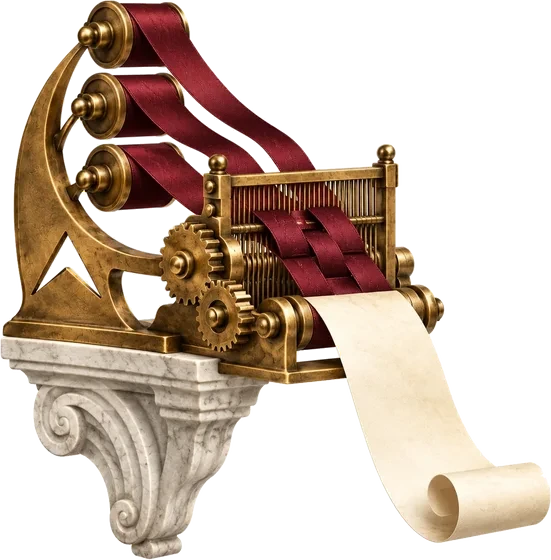
Trigger, steps, control.
- Trigger
- An event in Peak, a webhook, a schedule or a connected app.
- Steps
- Task, contact, note, Inbox notice, message or AI step.
- Control
- Test run before switching on, approval for risky steps.
Your first automation
Which rule does your team need first?
Describe the trigger, the manual steps and the approval. The preview turns them into a rule and stores nothing.
Local working example · nothing is saved or sent. Please don't enter personal data.

Three answers. One rule.
Draft · not yet put together
- Trigger
- Still open
- Steps
- Still open
- Approval
- Still open
Two starting points
Where does your manual work begin?
Pick a starting point. The sample automation shows the trigger, the steps and where a person decides.
A team that receives inquiries through a form
A Peak Forms form is submitted.

- The action
- Peak creates the contact or finds it by email and creates a task for the call-back.
- The intent
- Every inquiry has a contact and a next task.
Example: inquiry → call-back
- When
- Form submitted (example)
- Then
- Create or update contact
- And
- Task “call back” for the person in charge
The examples show the pattern. In Peak Automations you describe your own rule in one sentence.
To the next stepIs this for you?
What works today. What doesn't yet.
A team that
no longer wants to click the same steps itself.
This is where the example helps.
- You already work with Peak apps such as Forms, CRM, Booking or Sign.
- You want to describe rules in words instead of wiring boxes.
- Risky steps should wait for an approval.
Nothing runs
What Peak Automations doesn't do today.
- Triggers on inactivity or thresholds are planned, not available today.
- There is no free drawing canvas; you see the flow as a sentence and as boxes with arrows.
- Tools other than the listed connections are not connected today.
From the example to a real automation
Describe your first rule.
Peak Automations shows you templates that match the apps your workspace has already connected. You start with a sentence, check the flow view and switch on after the test.
Start with Peak AutomationsPeak Automations / Your next step
Start with the manual step that annoys you most.
One rule, one test, one history. Then the next one.
See examples by situation
For work that repeats every week.
Test run before switching on, approval for risky steps.
Frequently asked questions
Are these real customer cases?
No. They are examples built from triggers and actions that exist today. We only show customer cases with evidence.
Does an automation start running right away?
No. You test it with an example first and then activate it yourself. Nothing runs before that.
Which industry fits me?
Pick the page closest to your team. The building blocks are the same everywhere: triggers, actions and Agent steps that you combine.